
Insights
The Multi-Processor Dilemma: Why Adding Payment Options Isn't a Cure-All
2026 · Insights
The era of relying on a single payment processor has officially become the exception rather than the rule. As ambitious merchants seek a broader, more global view of their operations, this shift is profoundly reflected in how businesses are building their payment infrastructure today.
In fact, according to our recent survey, a mere 5% of business leaders reported that their company relies on just one payment processor. The new normal is significantly higher, with the average business utilising close to three different processors to handle their transactions.
The rationale behind this multi-processor strategy is clear and strategically sound. Businesses are actively adding processors to their stack to tackle a variety of goals: they want to reduce processing costs, improve transaction approval rates, and strengthen customer support. Furthermore, diversifying processors is seen as a key tactic to reduce the risk of debilitating downtime, smoothly expand into new international markets, and offer a wider array of payment methods tailored to local consumer preferences.
Yet, despite this significant investment in building out their payment infrastructure, the operational challenges not only remain — they are often compounded.
The data reveals a frustrating reality for many merchants. Nearly four in ten business leaders told us they have still experienced processor downtime or service outages, despite having backup options in place. The same high proportion reported struggling with high processing fees. Others pointed to a litany of ongoing issues, including poor customer support from their providers, surprisingly limited payment options, the anxiety of withheld funds, and frustratingly low payment success rates.
These findings suggest a critical lesson for the industry: adding more payment processors isn't enough on its own. While businesses have heavily invested in a multi-processor approach to improve performance, many find themselves still grappling with the very challenges they initially set out to solve.
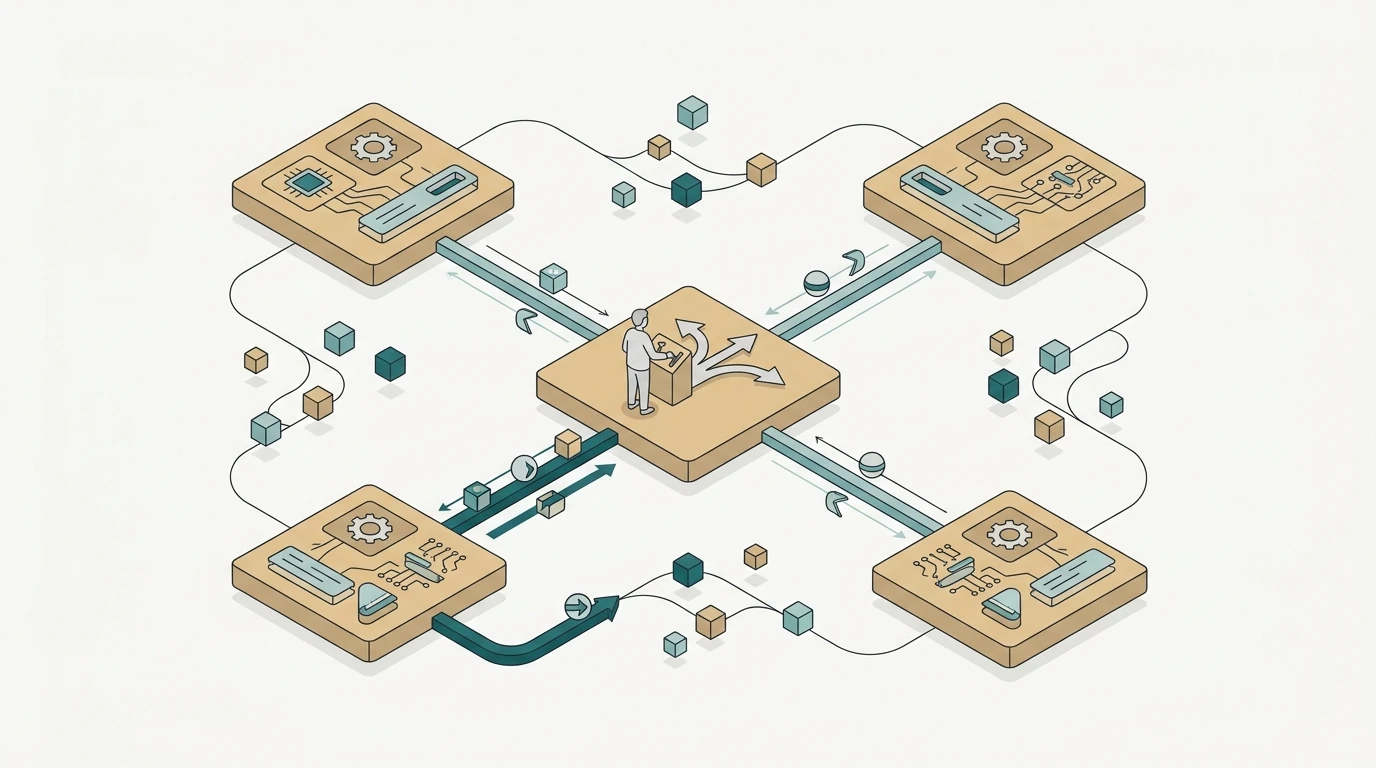
The broader view of payments requires more than just connecting multiple pipes; it requires a sophisticated way to manage the flow between them. Without the right orchestration layer, managing three processors doesn't divide the work by three — it multiplies the operational complexity. For ambitious merchants, the next step isn't necessarily adding a fourth processor, but finding a way to make the three they have work together seamlessly.